

Índice
Dogleg holes are among the most engaging challenges in golf. Those strategic bends that turn left or right force you to rethink every shot and reward both precision and tactical intelligence. If you want to improve your performance on these holes, understanding strategies of doglegs in golf will help you turn what many see as an obstacle into a real opportunity to save strokes.
What exactly is a dogleg and why it changes your strategy
A dogleg is a hole whose fairway makes a pronounced angle at some point along its route. The name comes from its resemblance to a dog’s leg: a straight line that suddenly turns.
There are two basic types:
- Left dogleg: the fairway bends to the left before reaching the green.
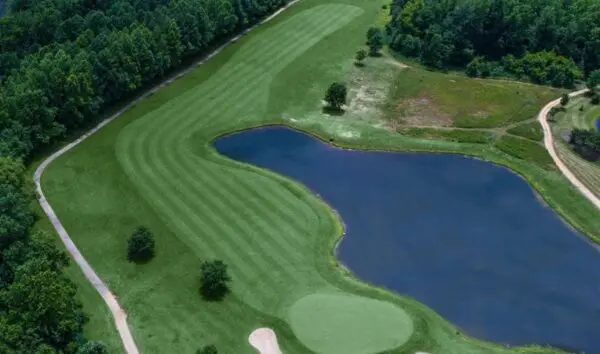
- Right dogleg: the bend goes in the opposite direction.
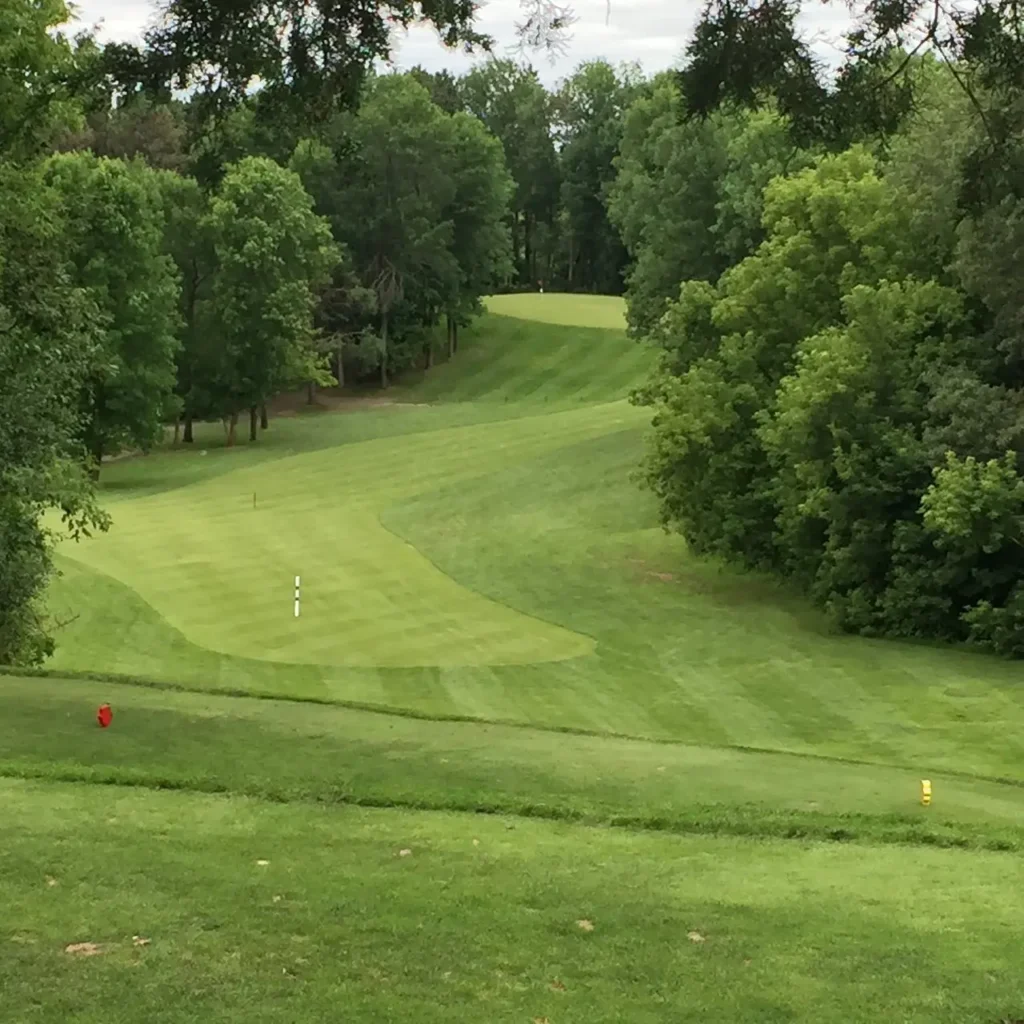
The key is that the shortest route to the green is not a straight line. That forces decisions: do you play safely down the middle, or take on the risk of cutting the corner to gain distance?
Five strategies that work on dogleg holes
1. Study the hole before you pull driver

The most common mistake on a dogleg is to follow the instinct to hit it as hard as possible from the tee. Before choosing a club, ask yourself:
- Where is the ideal landing zone to leave a clean second shot?
- What hazards protect the inside of the corner (bunkers, water, heavy rough)?
- How much distance do I really need to carry the angle?
In many cases, a long iron or a fairway wood puts you in a better position than an out-of-control driver.
2. Learn to shape the shot to match the bend
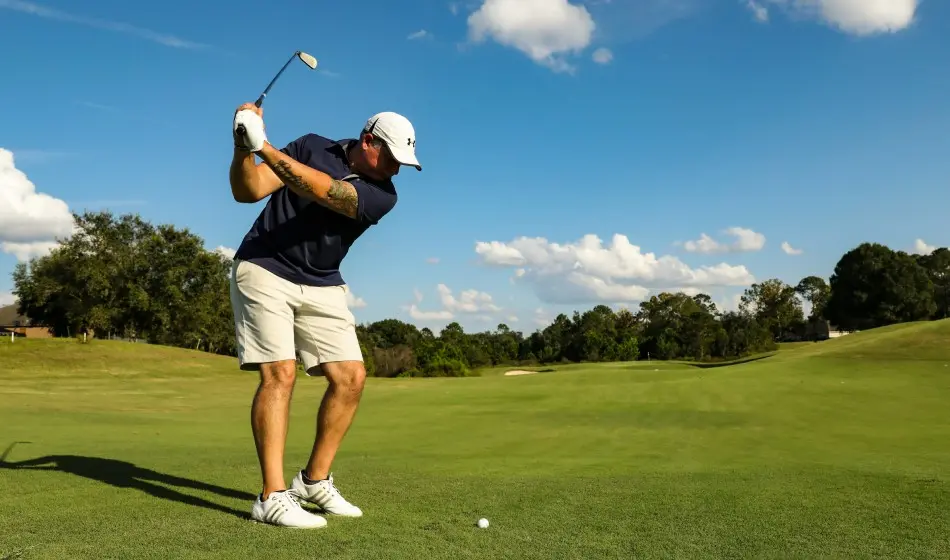
Adapting shot shape to the direction of the dogleg can give you a meaningful advantage:
- On a right dogleg, a fade follows the hole’s natural shape and maximizes fairway distance.
- On a left dogleg, a controlled draw can help you gain extra yards by matching the bend.
If you don’t yet control these shapes, work with your instructor to build them gradually. At the Alcanada academy, our PGA-certified professionals can help you develop these technical tools with personalized sessions.
3. Know your real distance with every club
Doglegs punish players who overestimate their carry and total distance. A drive that normally goes 230 metres can turn into trouble if you misjudge the angle.
The Toptracer technology in our practice area lets you measure the true average distance of each club with precision. Those numbers are pure gold when it’s time to choose the right weapon on a demanding dogleg.
4. Manage risk intelligently
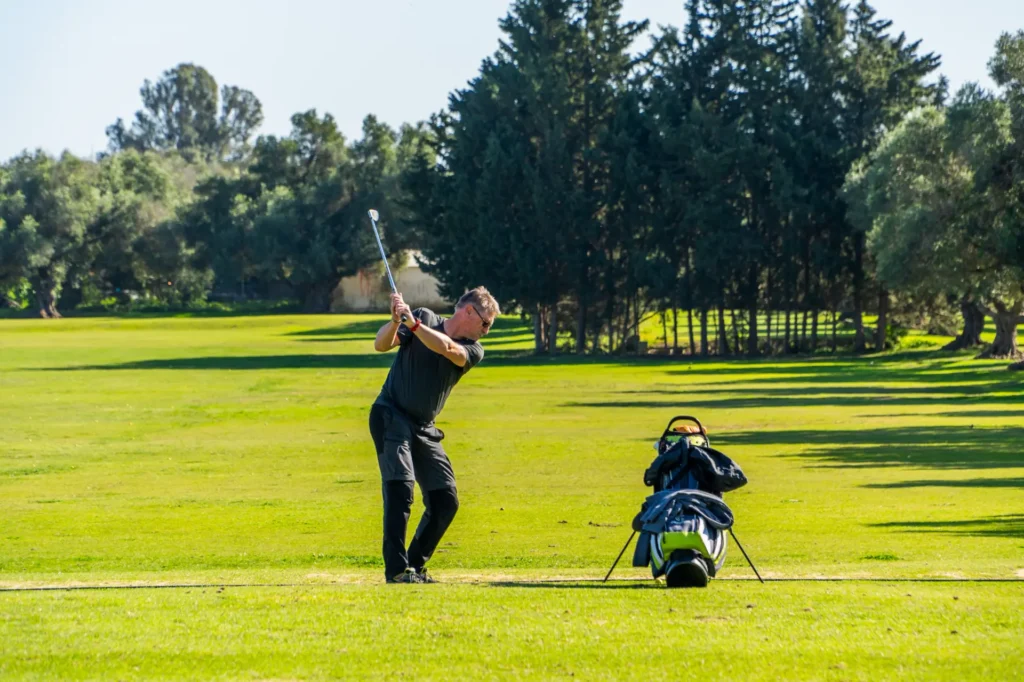
Cutting a dogleg can save a full shot, but it can also cost you several if the ball finds trouble. Always evaluate:
- Your form that day: if you’re playing solidly, it may not be worth forcing the issue.
- The situation: in match play, a calculated risk can be decisive; in stroke play, consistency is usually rewarded more.
- Course conditions: into a headwind or on firm fairways, the equation changes.
Smart golf isn’t about avoiding risk every time, but about choosing when to take it.
5. Visualize the entire shot before you swing
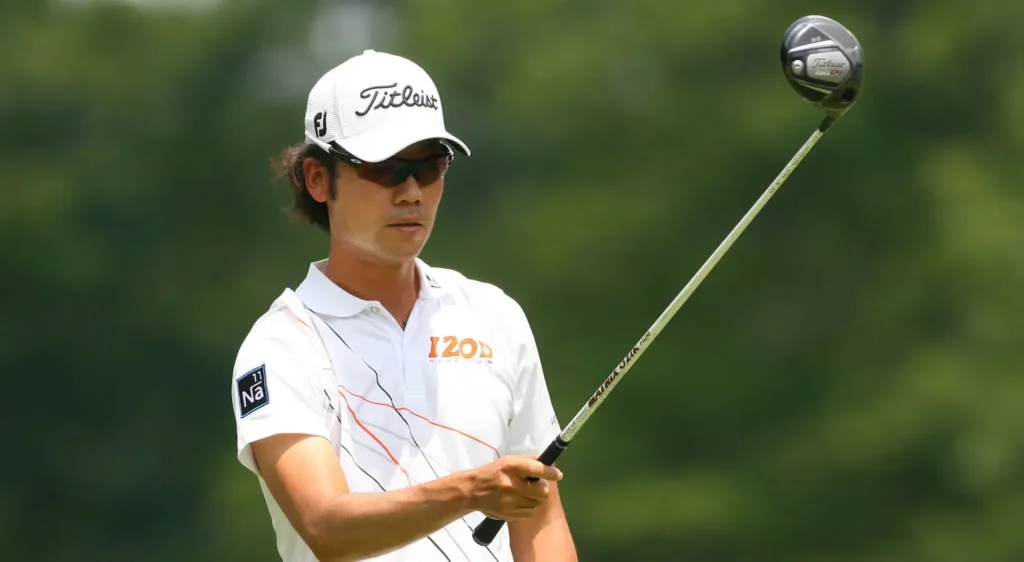
The best players don’t only think about where they want the ball to land, but about the full flight: starting line, peak height, curve, and roll-out. On a dogleg, this visualization is especially important because you need to imagine how the ball will negotiate the corner.
Take a few extra seconds in your pre-shot routine. Look at the hole, draw the ideal line in your mind, and commit fully to the swing.
Doglegs at Alcanada
The Alcanada course, with 6,499 metres laid out across the natural landscape of the Bay of Alcudia, features several dogleg holes that reward thoughtful play. Robert Trent Jones Jr. designed each bend to integrate with the existing terrain, using elevation, bunkering, and Mediterranean views as strategic elements that invite you to think through every shot.
You won’t find artificial doglegs or forced bends here. Every angle makes sense within the routing and offers multiple playing options depending on your level and your appetite for risk. This design philosophy is precisely what has led Alcanada to be recognized as one of the best courses in Spain.
Frequently asked questions
Is it better to cut the dogleg or play safely down the middle?
It depends on several factors: your technical level, the distance you can cover with accuracy, and the hazards guarding the corner. As a general rule, if you don’t have at least 70% confidence in executing the shot required to cut the corner, play down the middle. A safe ball in the fairway is always better than a risky one in the rough or a bunker.
Which club should I use off the tee on a dogleg?
Not always driver. First calculate where you want the ball to finish to leave the best angle into the green. Sometimes a 5-iron or a 3-wood leaves you perfectly placed, while a driver might run too far or bring trouble into play.
How do I practice shot shapes to handle doglegs?
Draws and fades are developed by slightly adjusting stance, alignment, and swing path. The best approach is to practice with a professional who can correct your technique in real time. At Alcanada, sessions supported by Toptracer technology let you see immediately whether you’re producing the shape you want.
Are doglegs harder for beginners?
They can be if you try to play them like straight holes. However, a beginner who accepts a conservative plan, two safe shots instead of one risky one, can play a dogleg without major problems. The key is to set realistic expectations and prioritize keeping the ball in play.
Does wind affect how I should play a dogleg?
A lot. A crosswind can exaggerate or counteract your natural shot shape, and a headwind reduces distance significantly. Before choosing a strategy, look at flags and vegetation to judge wind direction and strength, then adjust your plan accordingly.

Mastering doglegs doesn’t happen overnight. It takes specific practice, self-awareness, and above all, patience to accept that sometimes the best decision is the conservative one.
We invite you to put these strategies into action on your next visit to Golf Alcanada. Our team will be happy to help you prepare your game, whether through a session at the academy, practice time with Toptracer, or simple recommendations on how to tackle the most demanding holes on the course.
How to play golf intelligently in windy conditions, reducing errors and improving decision-making on open and exposed courses.
Discover why strategic decision-making and terrain adaptation are your best allies for conquering Mallorca’s finest golf course.
The Balearic Golf Federation Celebrates the 2025 Awards in Palma Nearly 300 attendees at an evening of recognition, season review, and institutional tribute Palma, Friday, January 16, 2026 – The Balearic Golf Federation held its 2025 Golf Awards gala last night, Thursday, January 15, at the Palma Congress Palace. The event brought together nearly 300…
With the right adjustments, sea fog can become an ally instead of a challenge on the course.
Discover how to limit damage and recover intelligently after a poor tee shot at Golf Alcanada
Discover essential tips for seniors to stay active, play safely, and fully enjoy golf in Mallorca at Golf Alcanada.
